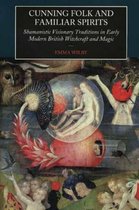
Cunning Folk & Familiar Spirits Shamanistic Visionary Traditions in Early Modern British Witchcraft and Magic
Wel leverbaar

Auteur:
Uitgever:
EngelsHardcover978184519078121 november 2005317 pagina's
Samenvatting
Contains the examination of popular familiar belief in early modern Britain. This book provides an analysis of the correlation between early modern British magic and tribal shamanism, examines the experiential dimension of popular magic and witchcraft in early modern Britain, and explores the links between British fairy beliefs and witch beliefs.
This book contains the first comprehensive examination of popular familiar belief in early modern Britain. It provides an in-depth analysis of the correlation between early modern British magic and tribal shamanism, examines the experiential dimension of popular magic and witchcraft in early modern Britain, and explores the links between British fairy beliefs and witch beliefs. In the hundreds of confessions relating to witchcraft and sorcery trials in early modern Britain there are detailed descriptions of intimate working relationships between popular magical practitioners and familiar spirits of either human or animal form. Until recently historians often dismissed these descriptions as elaborate fictions created by judicial interrogators eager to find evidence of stereotypical pacts with the Devil. Although this paradigm is now routinely questioned, and most historians acknowledge that there was a folkloric component to familiar lore in the period, these beliefs, and the experiences reportedly associated with them, remain substantially unexplored. This book examines the folkloric roots of familiar lore from historical, anthropological and comparative religious perspectives. It argues that beliefs about witches' familiars were rooted in beliefs surrounding the use of fairy familiars by beneficent magical practitioners or cunning folk', and corroborates this through a comparative analysis of familiar beliefs found in traditional Native American and Siberian shamanism. The author explores the experiential dimension of familiar lore by drawing parallels between early modern familiar encounters and visionary mysticism as it appears in both tribal shamanism and medieval European contemplative traditions. These perspectives challenge the reductionist view of popular magic in early modern Britain often presented by historians.
Productspecificaties
Inhoud
- Taal
- en
- Uitvoering
- Hardcover
- Oorspronkelijke releasedatum
- 21 november 2005
- Aantal pagina's
- 317
- Illustraties
- Nee
Betrokkenen
- Hoofdauteur
- Tweede Auteur
- Hoofduitgeverij
Informatie over de fabrikant
- Fabrikantgegevens
- De informatie van de fabrikant is momenteel niet beschikbaar.
Overige kenmerken
- Editie
- illustrated edition
- Extra groot lettertype
- Nee
- Product breedte
- 229 mm
- Product lengte
- 152 mm
- Studieboek
- Nee
- Verpakking breedte
- 229 mm
- Verpakking hoogte
- 152 mm
- Verpakking lengte
- 25 mm
- Verpakkingsgewicht
- 608 g
EAN
- EAN
- 9781845190781
Productveiligheid
De verantwoordelijk marktdeelnemer in de EU zorgt voor het nakomen van verplichtingen op het gebied van productveiligheid.
Je vindt dit artikel in
- Boek, ebook of luisterboek?
- Taal
- Type boek
- Auteur
Documenten
Reviews
Nog geen reviews
Kies gewenste uitvoering
Kies je uitvoering
Niet leverbaar
Bekijk ook eens


Anderen bekeken ook
Bekijk de hele lijst