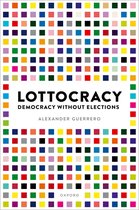
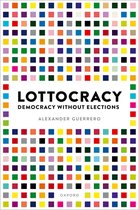
Lottocracy Democracy Without Elections
Vraag het Shophulp, de AI-assistent van bol
Auteur:
Uitgever:
EngelsPaperback978019893898912 september 2024464 pagina's
Samenvatting
Lottocracy addresses systemic problems with modern democractic politics by arguing for a shift from using elected representatives to using representatives selected through lotteries. Alexander Guerrero introduces and discusses lottocratic systems, their potential advantages, and potential concerns.
Democracy is in trouble. What is going wrong? What should we do? Lottocracy argues that, perhaps surprisingly, the problem is with the heart of modern democracy: the election. Elections are failing as accountability mechanisms. Elections provide powerful short-term incentives, leading elected politicians to downplay long-term catastrophic concerns. Elections create division where none need exist. The most powerful among us take advantage of this to control who is elected, what policies are enacted, and which problems are ignored. Policy complexity, citizen ignorance, elite capture and manipulation, algorithmically reinforced echo chambers, intensifying partisan division and distrust, and the dissolution of political community combine to render modern electoral democracies incapable of helping us solve the urgent problems we face. What should we do? Alexander Guerrero takes seriously the possibility that although electoral democracy has been better than all systems that have been tried, the basic mechanism at its core-the election-is broken, and unworkable under modern political conditions. Lottocracy moves past the Churchillian shrug ("the worst system, except for all the others"), introducing a new form of democracy: lottocracy. Lottocratic systems include many new elements, but the most striking is the shift from using elected representatives to using representatives selected through lottery. Guerrero introduces and discusses lottocratic systems, their potential advantages, and potential concerns. The argument engages with foundational philosophical questions, considering how rights of political participation, political equality, political power, considerations of accountability and legitimacy, and the nature of democracy itself are illuminated and reconfigured once we move past the electoral representative framework.
Productspecificaties
Inhoud
- Taal
- en
- Uitvoering
- Paperback
- Oorspronkelijke releasedatum
- 12 september 2024
- Aantal pagina's
- 464
Betrokkenen
- Hoofdauteur
- Hoofduitgeverij
Informatie over de fabrikant
- Fabrikant Naam
- Oxford University Press España S.A. of El Parque Empresarial
- Fabrikant Adres
- San Fernando de Henares, Avenida de Castilla, 2 – 28830 Madrid - 28330 - Madrid - ES
- E-mailadres of online contactformulier van de fabrikant
- product.safety@oup.com
Overige kenmerken
- Product breedte
- 158 mm
- Product hoogte
- 25 mm
- Product lengte
- 235 mm
- Studieboek
- Nee
- Verpakking breedte
- 215 mm
- Verpakking hoogte
- 32 mm
- Verpakking lengte
- 234 mm
- Verpakkingsgewicht
- 714 g
EAN
- EAN
- 9780198938989
Productveiligheid
De verantwoordelijk marktdeelnemer in de EU zorgt voor het nakomen van verplichtingen op het gebied van productveiligheid.
Je vindt dit artikel in
- Boek, ebook of luisterboek?
- Beschikbaarheid
- Taal
- Type boek
Documenten
Reviews
Nog geen reviews
Kies gewenste uitvoering
Kies je uitvoering
Uiterlijk 13 november in huis
Prijs inclusief verzendkosten, verstuurd door bol
Ophalen bij een bol afhaalpunt mogelijk
30 dagen bedenktijd en gratis retourneren via mijn bol
Dag en nacht klantenservice
Doordeweeks ook ’s avonds in huis
Bekijk ook eens





Anderen bekeken ook
Tijd voor vertrouwen
5% kassakorting