Edge of Empire Rome's Frontier on the Lower Rhine

Vraag het Shophulp, de AI-assistent van bol
Jona Lendering
Samenvatting
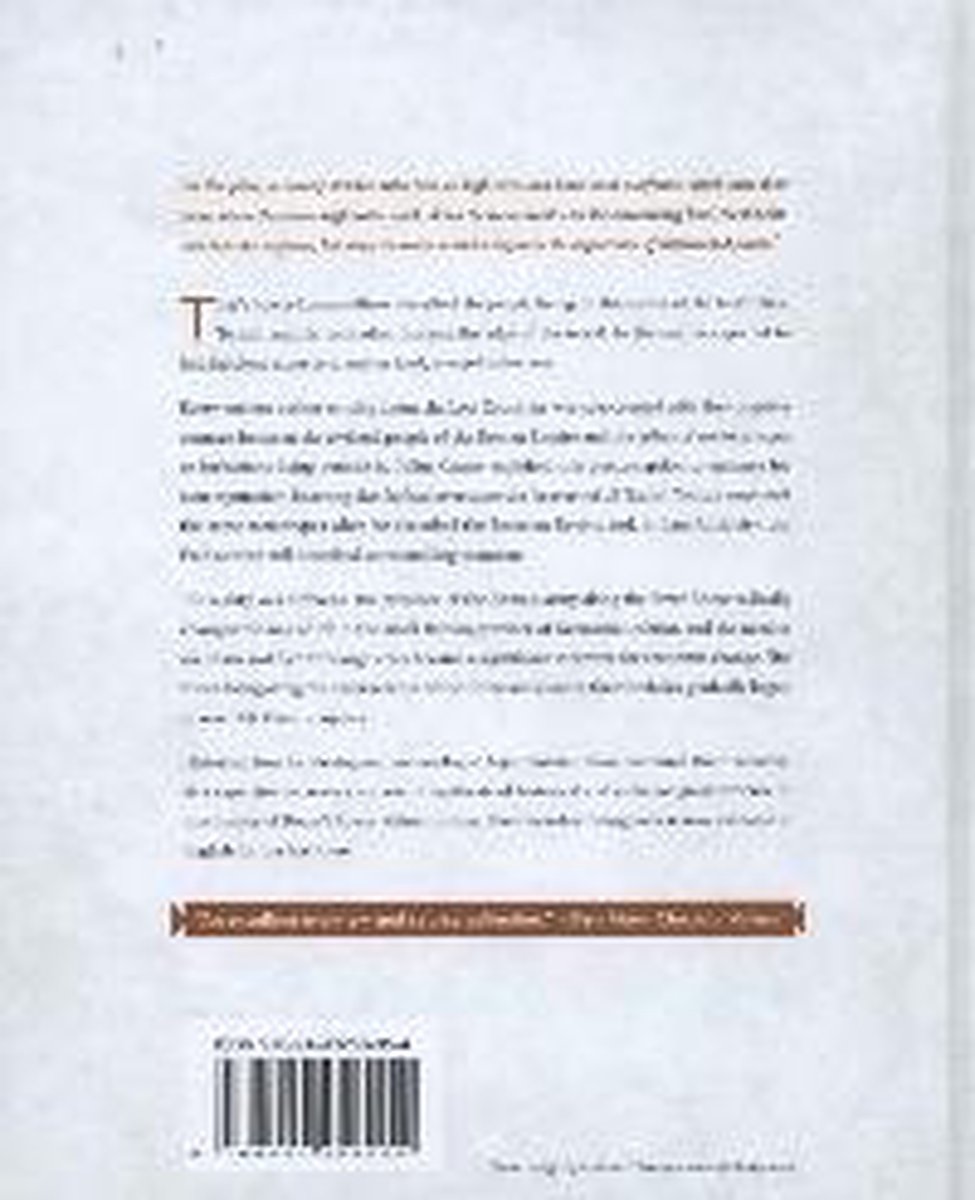
"In this place, a poverty-stricken tribe lives on high terps and hand-built platforms, which raise their homes above the known high water mark. When the waves wash over the surrounding land, the inhabitants look like seafarers, but when the water subsides they have the appearance of shipwrecked people."
That’s how a Roman officer described the people living on the shores of the North Sea. To him and his comrades, this was the edge of the world. In the sea, he expected to find fabulous monsters, and on land, savage barbarians.
Every ancient author writing about the Low Countries, was preoccupied with the complete contrast between the civilized people of the Roman Empire and the tribes of noble savages or barbarians living outside it. Julius Caesar exploited this preconception to enhance his own reputation, boasting that he had overcome the "bravest of all Gauls"; Tacitus employed the same stereotypes when he described the Batavian Revolt; and, in late antiquity, the Franks were still described as resembling monsters.
The reality was different. The presence of the Roman army along the River Rhine radically changed the way of life in the small Roman province of Germania Inferior, and the need to maintain and feed this large army became a significant incentive for economic change. The tribes living along the lower reaches of the Rhine and close to the North Sea gradually began to resemble their occupiers.
Historian Jona Lendering and archaeologist Arjen Bosman have combined their considerable expertise to create a successful synthesis of historical and archaeological evidence, in this history of Rome’s Lower Rhine frontier. Their award-winning book is now available in English for the first time.
Praise for Edge of Empire
"an excellent overview and source collection"
- Bryn Mawr Classical Review
"a thought-provoking survey that can be recommended to the general reader andthe undergraduate student alike for its lively style, useful presentation of the literary sources, and clarity in presenting a complicated subject"
- Britannia, No. 48
Productspecificaties
Inhoud
- Taal
- en
- Uitvoering
- Hardcover
- Oorspronkelijke releasedatum
- 22 april 2013
- Aantal pagina's
- 194
- Kaarten inbegrepen
- Ja
- Illustraties
- Met illustraties in kleur
Vertaling
- Eerste Vertaler
- Tweede Vertaler
Betrokkenen
- Hoofdauteur
- Tweede Auteur
- Hoofduitgeverij
Informatie over de fabrikant
- Fabrikant Naam
- Libri GmbH
- E-mailadres of online contactformulier van de fabrikant
- gpsr@libri.de
- Fabrikantgegevens
- De overige informatie van de fabrikant is momenteel niet beschikbaar.
Overige kenmerken
- Dyslexievriendelijk
- Nee
- Editie
- 1
- Extra groot lettertype
- Nee
- Product breedte
- 215 mm
- Product hoogte
- 17 cm
- Product lengte
- 265 mm
- Studieboek
- Ja
- Verpakking breedte
- 216 mm
- Verpakking hoogte
- 16 mm
- Verpakking lengte
- 266 mm
- Verpakkingsgewicht
- 925 g
EAN
- EAN
- 9789490258054
Productveiligheid
De verantwoordelijk marktdeelnemer in de EU zorgt voor het nakomen van verplichtingen op het gebied van productveiligheid.
Je vindt dit artikel in
- Boek, ebook of luisterboek?
- Taal
- Type boek
- Aanbiedingen
Documenten
Reviews
- Toegankelijk
Dit is de engelse versie van het van oorsprong nederlandstalige boek. Wetenschappelijk verantwoord beeld van de randen van het romeinse rijk in het noorden.
- Goede kwaliteit
- Voordelige koop
- duurzaam
Een mooi en informatief boek over de geschiedenis van het Romeinse Rijk in de Lage Landen.
- Goede kwaliteit
- fraaie gebonden uitgave.
Goed leesbaar boek, dat alle nieuwe ontwikkelingen en inzichten bevat.
Kies gewenste uitvoering
Gratis verzending door bol vanaf 25 euro
Ophalen bij een bol afhaalpunt mogelijk
30 dagen bedenktijd en gratis retourneren via mijn bol
Dag en nacht klantenservice
- Doordeweeks ook ’s avonds in huis