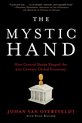
The Mystic Hand Ce que les banquiers centraux ont désappris, réappris et doivent encore apprendre
Auteur:
Johan van Overtveldt
- en
- Couverture rigide
- 9781572843066
- 21 avril 2022
- 224 pages
Résumé
It's hardly an exaggeration to claim that over the last few decades, central bankers have achieved unprecedented status. Especially since the global financial crisis of 2008, the world holds its breath whenever they announce new policy interventions. Given the opaque nature of the money supply, in the eyes of most citizens, the mystic hand of central bankers is felt everywhere. Never before have central bank policies been so decisive, not only for financial markets but also for national economies and public welfare in general. This book traces the way in which central bankers learned, unlearned, relearned and still have to learn the tricks of their trade. The lessons taught by nineteenth-century grands savants like Henry Thornton and Walter Bagehot, once instilled, were eventually neglected. This led directly to the policy mistakes that produced the Great Depression of the 1930s. When the financial crisis of 2008 broke out, central bankers the world over summoned Thornton's and Bagehot's wisdom and acted accordingly. This re-learning saved the world from a repetition of the Great Depression. But when the worst of the financial crisis and ensuing recession were over, central bankers continued applying unconventional monetary policies-in some areas of the world, this even extended to negative policy interest rates and massive interventions in the bond markets, which resulted in constant injections of liquidity. Once the Covid-19 pandemic arrived, most central bankers doubled down on the intensity of these kinds of policies. While the financial crisis required central bankers to act in decisive ways, it can no longer be denied that the consequences of these expansive monetary policies have become major issues. Central bank policies of the last decade and a half have resulted in a relentless build-up of leverage and debt; led to speculative bubbles in different kinds of markets; undermined the willingness of political authorities to put their fiscal houses in order; stimulated a zombification of the economy and the growth of shadow banking activities; and contributed to growing inequality around the world. Central bankers are at a crucial turning point for the future of their profession, and even more for the future of our economy. New lessons have to be learnt. Our future depends on these being the right lessons.
Spécifications produit
Nous n'avons trouvé aucune spécification pour votre recherche '{SEARCH}'.
Contenu
- Langue
- en
- Binding
- Couverture rigide
- Date de sortie initiale
- 21 avril 2022
- Nombre de pages
- 224
Personnes impliquées
- Auteur principal
- Johan van Overtveldt
- Editeur principal
- Surrey Books,U.S.
Autres spécifications
- Hauteur de l'emballage
- 26 mm
- Largeur d'emballage
- 153 mm
- Largeur du produit
- 152 mm
- Livre d‘étude
- Non
- Longueur d'emballage
- 234 mm
- Longueur du produit
- 228 mm
- Poids de l'emballage
- 775 g
EAN
- EAN
- 9781572843066
Sécurité des produits
-
Opérateur économique responsable dans l’UE
- Afficher les données
Vous trouverez cet article :
- Catégories
- Langue
- Anglais
- Livre, ebook ou livre audio ?
- Livre
- Disponibilité
- Disponible à l'adresse suivante
Choisissez la version souhaitée
Choisissez votre binding
(2)
Informations sur les prix et commande
Le prix de ce produit est de 31 euros et 13 cents.
Au plus tard le 31 octobre chez vous
Vendu par bol
- Livraison comprise avec bol
- Retrait possible dans un point-relais bol
- 30 jours de réflexion et retour gratuit
- Service client 24h/24
D'autres ont aussi regardé




Souvent achetés ensemble

Signaler cet article
Vous souhaitez signaler un contenu illégal, comme un article dangereux, illégal ou un contenu trompeur.
- Je souhaite faire un signalement en tant que client.
- Je veux faire un signalement en tant qu'autorité ou personne de confiance.
- Je veux faire un signalement en tant que propriétaire de partenaire
- Je veux faire un signalement en tant que propriétaire de marque
Vous n'êtes pas un client, une autorité, personne de confiance, propriétaire de marque ou un partenaire? Dans ce cas, utilisez le formulaire client (via le bouton ci-dessous) pour effectuer un signalement.